
Masai Mara safari is one of the most remarkable wildlife experiences in Africa, offering travelers an opportunity to explore vast golden grasslands, encounter iconic African animals, and experience the natural beauty of Kenya. Located in southwestern Kenya, the Masai Mara safari is renowned for its extraordinary wildlife, scenic landscapes, and connection to the wider Mara-Serengeti ecosystem. Whether you are a first-time safari traveler, wildlife enthusiast, or professional photographer, the Maasai Mara provides an unforgettable journey into the African wilderness.
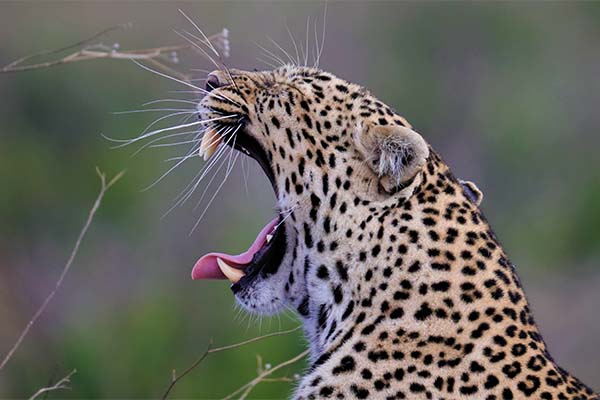
The {“fallbackMarkdown”:”Maasai Mara National Reserve”,”reference”:{“alt”:”Maasai Mara National Reserve”,”category”:”point_of_interest”,”extra_params”:{“disambiguation”:”Narok County, Kenya”},”name”:”Maasai Mara National Reserve”,”prompt_text”:”Maasai Mara National Reserve”,”status”:”done”,”type”:”entity”},”referenceKey”:”0″,”showLoginRequiredCard”:false} is famous for its rich concentration of wildlife. During game drives, visitors may encounter lions resting beneath acacia trees, elephants moving across the plains, giraffes feeding on treetops, and herds of zebra and buffalo grazing in open grasslands. The reserve is also home to cheetahs, leopards, hippos, hyenas, and numerous antelope species, creating a diverse ecosystem where predators and prey exist in a constantly changing natural balance.
One of the most celebrated events associated with the Maasai Mara is the Great Migration. Each year, enormous herds of wildebeest and zebras move through the Mara-Serengeti ecosystem in response to seasonal rainfall and the availability of fresh grazing. When conditions bring large numbers of animals into the Mara, visitors may witness impressive scenes of herds crossing the plains and, at suitable locations and times, attempting to cross the Mara River.
The Mara River crossings are dramatic and unpredictable. Herds can gather along the riverbanks for extended periods before suddenly beginning their journey across the water. Steep banks, deep water, strong currents, and the presence of natural predators make crossings challenging for the animals. Because wildlife movements depend on environmental conditions, no responsible safari operator can guarantee a particular crossing on a specific day.
Beyond the migration season, the Maasai Mara remains an excellent year-round wildlife destination. Different seasons bring changing landscapes and wildlife experiences. Green vegetation following rainfall can create beautiful scenery, while drier periods may make animals easier to observe around remaining water sources. Experienced guides can help visitors understand seasonal changes and identify the best opportunities for wildlife viewing.
For photographers, the Maasai Mara is an exceptional destination. Early morning game drives provide soft, warm light and opportunities to capture animals becoming active at sunrise. Late afternoon offers golden light and dramatic landscapes. From intimate portraits of individual animals to wide images showing entire herds across the plains, the Mara provides a wide range of photographic possibilities.
A Maasai Mara safari can also include cultural experiences with local Maasai communities. Visitors may learn about traditional lifestyles, crafts, customs, and the relationship between communities and the surrounding environment. Responsible cultural tourism should prioritize respect, authenticity, and direct benefits to local communities.
Conservation plays an important role in protecting the Maasai Mara ecosystem. Travelers can support conservation by following park regulations, maintaining appropriate distances from wildlife, avoiding litter, and selecting responsible safari operators. Sustainable tourism can contribute to habitat protection while providing valuable economic opportunities for communities surrounding the reserve.
A typical safari may include early morning and afternoon game drives, with comfortable accommodation ranging from tented camps to safari lodges. The ideal itinerary depends on the traveler’s interests, budget, available time, and preferred level of comfort.
Ultimately, a Maasai Mara safari is much more than a wildlife-viewing holiday. It is an opportunity to experience vast landscapes, observe extraordinary animals, discover local culture, and appreciate the importance of conservation. From a lion silhouetted against the sunrise to thousands of wildebeest moving across the horizon, the Maasai Mara offers moments of natural beauty that remain unforgettable long after the safari ends.