
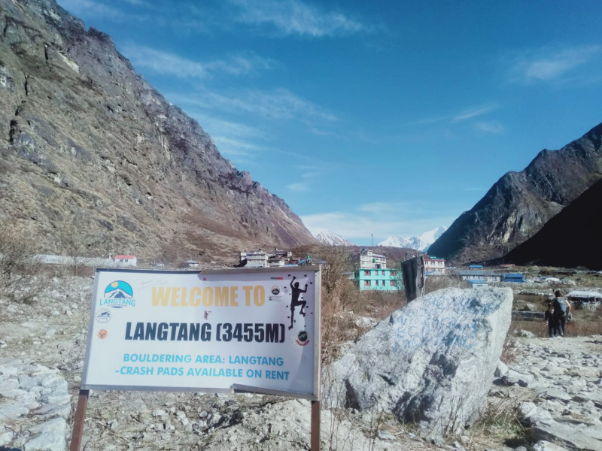
Choosing the right season to do a Langtang Valley Trek is arguably the most important decision you will make when planning this trek. The Langtang Valley Trek has a reputation for being moderate in difficulty and being easy to do. However, the experience varies tremendously depending on the season you are experiencing it. The weather, trail conditions, how well you can see, and what life is like in the villages all change throughout the year.
Having walked the Langtang Valley route in different seasons, we’ve learned that timing doesn’t just affect comfort; it shapes how deeply you connect with the landscape and the people who live there. This guide breaks down the best season for Langtang Valley Trek so you can choose the right window for your goals, fitness level, and expectations.
Langtang Valley Trek Seasons at a Glance
Although the trek can be completed at any time of year, not all seasons will provide the same level of safety, views, and pleasure during the trek.
- Best season overall: Spring & Fall (Autumn), or late-March through early-May and September through early-November
- Best months for visibility: October & November
- Quietest months: January & February
- Least preferred month: Monsoon Season (from the end of May until the beginning of September).
Spring (March to May): Balanced Weather and Natural Beauty
The best time to visit the Langtang Valley is in spring. It is a popular season for beginner trekkers, as the winter snows melt and the valley becomes full of colour and life, with dry trails.
What Spring Trekking Looks Like
- Day temperatures in the lowlands are 10 – 18 °C (50 – 64F), except at night, it can be very cold in teahouses and lodging.
- The trails are simple and mostly flat.
- The hills are covered with rhododendrons and wildflowers, and you get a live feel as you walk.
From Syabrubesi to Lama Hotel, you can see the full view of the snow-covered peaks of the Himalayas behind Langtang Village while being surrounded by dense green scenery and colourful nature. Therefore, Spring is considered to be one of the prettier seasons to trek in the area.
Who Spring Is Best For
- Beginner trekkers looking for a chance to get to the Himalayas.
- Enviro-Photographers and Nature lovers.
- Individuals who want to do the Langtang Valley trek but do not want to experience extreme cold weather.
The best time to visit the Langtang Valley is in spring. It is a popular season for beginner trekkers, as the winter snows melt and the valley becomes full of colour and life, with dry trails.
Autumn (September to November): Clear Skies and Sharp Mountain Views
 Autumn is widely regarded as the best season for Langtang Valley Trek if mountain views are your top priority. After the monsoon clears dust and haze from the air, visibility improves dramatically.
What to Expect in Autumn
- Daytime temperatures between 12–20°C
- Cold mornings and nights at higher elevations
- Dry trails and stable weather
- Excellent visibility of Langtang Lirung, Langtang Ri, and Dorje Lakpa
October mornings in Kyanjin Gompa are often crystal clear, making this the best time for photography and panoramic views.
Who Autumn Is Best For
- Trekkers focused on scenery
- Photographers and content creators
- Travellers with limited time who need predictable conditions
Best autumn months:
- September: Fresh landscapes, fewer trekkers early on
- October: Peak trekking month
- November: Cooler, quieter, still very clear
Winter (December to February): Solitude and Raw Himalayan Experience
Winter is not usually labelled as the best time to trek Langtang Valley, but it offers a unique experience for prepared trekkers.
Winter Conditions in Langtang Valley
- Daytime temperatures around 5–10°C
- Nights often drop below freezing
- Snowfall is possible near Kyanjin Gompa
- Very few trekkers are on the trail
Tea houses remain open, but flexibility is essential. Snow can limit access to high viewpoints like Tserko Ri. In return, you get silence, empty trails, and a deeper sense of isolation.
Who Winter Trekking Suits
- Those who have trekked long distances before
- Individuals searching for isolation.
- Travellers who have experience in frigid climates.
Monsoon (June to August): Lush but Challenging
The monsoon season is typically not a popular time to trek in Langtang Valley due to the effects of rain and clouds on visibility.
What to Expect During Monsoon
- You can expect some afternoon rainfall almost every day during the monsoon season
- Slippery trails and leeches at lower elevations
- Limited mountain views
- Green landscapes and fewer visitors
While it may not be an ideal time to complete this trek, budget travellers who are comfortable with wet conditions may still enjoy trekking during this time frame.
Best Time to Trek Langtang Valley by Trekker Type
- Beginners: March, April, October
- Photographers: October, November
- Solitude seekers: January, February
- Budget travellers: June, July
Final Thoughts: Choosing the Best Time to Trek Langtang Valley
Which season you wish to trek in Langtang Valley will depend much on your priorities: if you want clear skies and trails that are not crowded, if comfort is important for you, or if cost is a major consideration. Both Spring and Autumn have been seen to consistently provide the best balance between weather and scenery for trekkers. Trekkers during the Winter season can enjoy solitude, while trekkers during Monsoon season may have a more flexible travel schedule.
When the timing is correct, the Langtang Valley Trek can be an incredibly rewarding personal experience in the Himalayas that will remain with you long after you’ve left the trail.
Want to know what to expect during the experience of the Langtang Valley Trek? Visit: https://himalayanfriendly.com/blog/langtang-valley-trek-itinerary/ for the complete Itinerary that includes detailed information and tips from local experts, and gain access to our complete experience today so you can begin your journey of reaching your goal of going on an adventure in the Himalayas! Find out more and start planning with Himalayan Friendly!
