
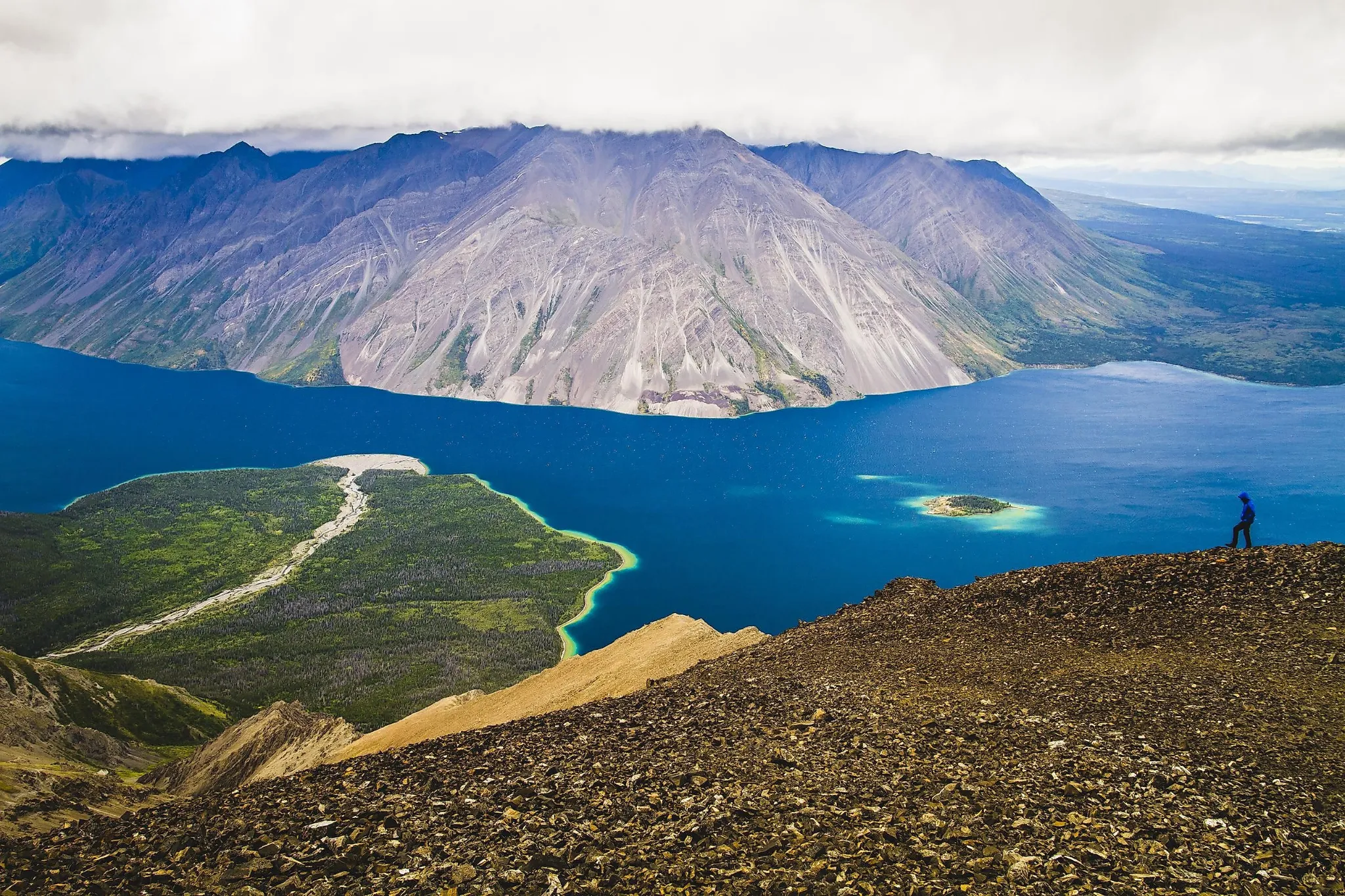
Some places make you feel small in the best possible way. Kluane National Park and Reserve is one of them. Peaks rise above turquoise lakes, glaciers spill from enormous ice fields, and the silence between mountain gusts feels almost sacred. If you have only one day to spare in the southwestern Yukon, a visit to Kluane National Park, declared a UNESCO World Heritage Site in 1979 Yukon (1 day), is a trip that delivers far more than its short length suggests.
This guide explains why Kluane is so special, how to plan a single day from Whitehorse, what to see, and how to prepare so every hour counts.
Why Kluane Is a World Heritage Site
Kluane sits in the far southwest corner of the Yukon, bordering British Columbia and Alaska. According to the park’s UNESCO listing, it was inscribed as a World Heritage Site in 1979, together with Wrangell-St. Elias National Park in Alaska. Later extensions in 1992 and 1994 added Glacier Bay in Alaska and Tatshenshini-Alsek Provincial Park in British Columbia. Together, these protected areas form one of the largest international World Heritage Sites on Earth.
The recognition reflects the area’s extraordinary glaciers, icefields, and mountain landscapes. The park contains Mount Logan, which rises 5,959 metres and is the highest mountain in Canada, along with some of the largest non-polar ice fields in the world. It is also home to a rich range of wildlife and ecosystems, from boreal forest in the valleys to bare rock and ice above.
Getting There From Whitehorse
The main gateway is Haines Junction, roughly 150 kilometres west of Whitehorse along the Alaska Highway. The drive usually takes about an hour and a half to two hours, depending on weather and stops. The road is paved and scenic, with mountains growing larger as you approach.
Haines Junction has restaurants, fuel, a bakery, and the main park visitor facilities, which makes it an ideal base for a day trip. From here, the Haines Highway runs south along the edge of the park to Kathleen Lake, where many travelers spend their time.
Because most of Kluane is wilderness without roads, there are only a few places where you can drive right up to the park. Kathleen Lake and the Sheep Mountain area are among the easiest and most popular.
A Sample One-Day Plan
Every traveler has a different pace, but this outline works for most seasons.
Early morning: Leave Whitehorse. Start by about 7:30 or 8:00 a.m. so you have plenty of daylight. Fill your tank, grab coffee, and check road conditions before leaving town.
Mid-morning: Haines Junction and the visitor centre. Stop at the Da Ku Cultural Centre, which houses the park visitor centre and shares the culture and history of the Champagne and Aishihik First Nations. Ask staff about current trail conditions, wildlife activity, and seasonal closures. A large relief map helps you picture how the park fits together.
Late morning: Kathleen Lake. Drive about 25 kilometres south of Haines Junction on the Haines Highway to Kathleen Lake, famous for its glowing blue-green water against a backdrop of the Kluane Ranges. The day-use area has picnic spots and a boat launch, and is generally staffed from mid-May to mid-September. Short lakeside walks are easy and rewarding.
Midday: Choose your adventure. You have several options, depending on fitness and season:
-
A gentle lakeside walk or short family trail for a relaxed pace
-
A longer scenic hike if you have experience and the weather is stable
-
A flightseeing tour from Haines Junction, offering a view of glaciers and the St. Elias Mountains from above
-
A picnic, a swim in warm weather, or a paddle for slower enjoyment
Afternoon: A slow return. Head back toward Haines Junction, stop for a late lunch or bakery treat, and take photographs from roadside viewpoints on the way home.
Evening: Back in Whitehorse. You arrive tired, happy, and full of stories.
Hiking Notes for One-Day Visitors
Kluane offers everything from short strolls to challenging mountain routes. As a day visitor, choose carefully.
Short and easy walks around Kathleen Lake are suitable for most people and take less than an hour. For experienced hikers, King’s Throne is a famously steep route that climbs about 1,200 metres from the lake to a high ridge with dramatic views. Guidebooks suggest allowing roughly four to ten hours, so it is only realistic for fit, well-prepared travelers who start early.
If you are unsure, choose a shorter route and enjoy the scenery without rushing. Always check with park staff for current conditions, bear activity, and any closures.
Flightseeing Over the Ice Fields
Much of Kluane cannot be reached by road, and some of its most striking landscapes are best seen from the air. Flightseeing tours depart from the Haines Junction area, and typically offer views of glaciers, icefields, and the highest peaks, weather permitting. Flights are weather-dependent, so book early and keep your schedule flexible. If you prefer to keep both feet on the ground, you will still find plenty to admire from the road and trails.
When Is the Best Time to Visit?
Late May to June. Long daylight and fresh green landscapes. Snow may linger on high trails, and insects can appear later in the month.
July and August. The warmest and busiest period. Most facilities operate, and trails are generally open. Expect crowds at popular places such as Kathleen Lake.
September. Many people consider this the finest time. Aspen and tundra colors glow gold and red, crowds thin, and the air feels crisp. Some seasonal services close early.
Winter. Kluane is a quiet, snowy landscape. Services are limited, roads can be icy, and daylight is short, so winter day trips need extra planning.
What to Wear and Bring
Mountain weather can change in minutes, so prepare for variety.
-
Layers, including a fleece and a waterproof, windproof jacket
-
Sturdy hiking shoes or boots
-
A hat, sunglasses, and sunscreen
-
Insect repellent in early summer
-
A daypack with plenty of water and food
-
A camera, binoculars, and spare battery
-
A paper map or offline navigation, since cell coverage is limited
-
Bear safety gear, such as bear spray and the knowledge to use it
Wildlife and Safety
Kluane is a wild country. Grizzly bears, black bears, Dall sheep, mountain goats, moose, and many birds live here. Make noise on trails, hike in groups, store food carefully, and never approach animals. Tell someone your plans, carry enough food and water, and turn back if weather worsens. A cautious day is always better than a risky one.
Tips for Making the Most of One Day
-
Start early and pack lunch to save time.
-
Check the weather and road reports before leaving.
-
Choose one or two main activities rather than trying to do everything.
-
Respect Indigenous heritage and cultural sites.
-
Leave no trace by packing out all waste.
Frequently Asked Questions
Is one day enough for Kluane?
It is enough for a memorable introduction, including a scenic drive, a lakeside stop, and a short hike or flight. Serious exploration takes longer.
Do I need a guide?
Not for short, marked trails, but a guide is wise for longer routes or glacier travel.
Can I do this trip without a car?
Some tour companies run day trips from Whitehorse. Check availability for your season.
Is it suitable for children?
Yes, especially around Kathleen Lake. Choose short, easy outings and keep a close eye on weather.
Final Thoughts
A visit to Kluane National Park, declared a UNESCO World Heritage Site in 1979 Yukon (1 day), will not show you everything, but it will show you why this place is protected. Between the vast ice fields, bright lakes, and quiet trails, one day is enough to feel the scale of the north. Pack carefully, stay flexible, and let the mountains set the pace. You will likely drive home already planning your return.