
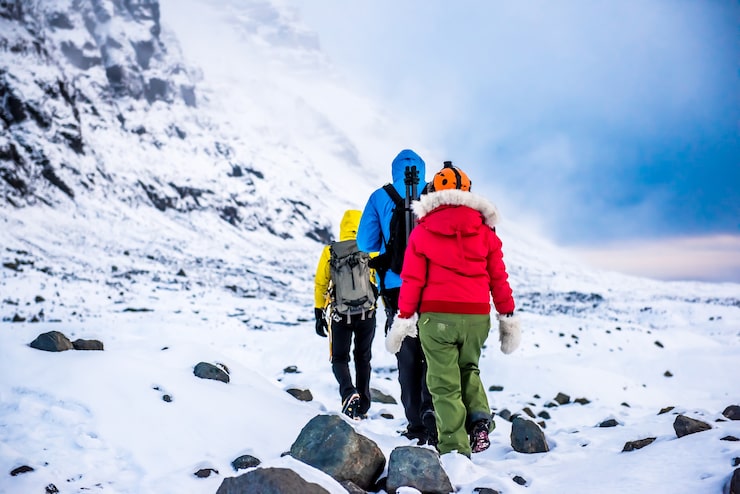
The Himalayas of Nepal are home to some of the world’s most iconic trekking routes, each offering breathtaking landscapes, authentic cultural experiences, and unforgettable adventures. Among the most popular choices are the Langtang Valley Trek and the Annapurna Base Camp Trek. While both journeys showcase Nepal’s extraordinary mountain scenery, they provide distinctly different experiences in terms of terrain, culture, accessibility, difficulty, and natural beauty.
Whether you’re planning your first Himalayan trek or returning to Nepal for another adventure, choosing between these two legendary routes can be challenging. This comprehensive guide compares every important aspect of the Langtang Valley Trek and the Annapurna Base Camp Trek to help you decide which trek best suits your travel style and fitness level.
Introduction to Nepal’s Most Scenic Treks
Nepal offers countless trekking opportunities, but few trails capture the country’s diversity quite like the Langtang and Annapurna regions. Both routes feature snow-capped mountains, picturesque villages, Buddhist culture, dense forests, and warm hospitality.
The Langtang Valley Trek is known for its peaceful atmosphere, authentic Tamang culture, and spectacular alpine landscapes close to Kathmandu. In contrast, the Annapurna Base Camp Trek is famous for leading trekkers into the heart of the Annapurna Sanctuary, surrounded by some of the tallest mountains on Earth.
Each trek has its own charm, making the choice dependent on your travel goals.
Overview of the Langtang Valley Trek
The Langtang Valley Trek is often considered one of Nepal’s hidden gems. Located north of Kathmandu near the Tibetan border, this trek combines dramatic mountain scenery with rich cultural experiences.
Unlike the busier Everest and Annapurna regions, Langtang remains relatively uncrowded, allowing trekkers to enjoy peaceful trails and genuine interactions with local communities.
Highlights include:
-
Traditional Tamang villages
-
Langtang National Park
-
Kyanjin Gompa Monastery
-
Yak cheese factories
-
Glaciers and alpine meadows
-
Stunning views of Langtang Lirung (7,227 m)
The trek usually takes between 7 and 10 days, making it ideal for travelers with limited time.
Overview of the Annapurna Base Camp Trek
The Annapurna Base Camp Trek is among Nepal’s most iconic hiking adventures. The route passes through lush rhododendron forests, terraced farms, charming Gurung villages, and eventually reaches the breathtaking Annapurna Sanctuary at 4,130 meters.
Surrounded by towering Himalayan giants including Annapurna I, Machhapuchhre (Fishtail), Hiunchuli, and Annapurna South, the base camp provides one of the most spectacular mountain panoramas in Nepal.
Major highlights include:
-
Annapurna Base Camp (4,130 m)
-
Machhapuchhre Base Camp
-
Jhinu Danda natural hot springs
-
Diverse landscapes
-
Traditional Gurung villages
-
Magnificent sunrise and sunset mountain views
Most itineraries range from 7 to 12 days.
Mountain Scenery Comparison
Both treks offer unforgettable Himalayan scenery, but each presents a different landscape.
Langtang Valley Trek
The Langtang region features:
-
Massive glaciers
-
Alpine valleys
-
Snow-covered peaks
-
Yak grazing fields
-
Rugged mountain terrain
-
Crystal-clear rivers
The landscape feels wild and remote, making it attractive for nature lovers seeking tranquility.
Annapurna Base Camp Trek
The Annapurna region showcases incredible diversity:
-
Bamboo forests
-
Waterfalls
-
Rhododendron forests
-
Terraced rice fields
-
Alpine landscapes
-
Snow-covered mountain amphitheater
The dramatic transition from subtropical forests to towering glaciers is one of the trek’s biggest attractions.
Difficulty Level
Langtang Valley Trek
Difficulty: Moderate
Maximum elevation:
-
Kyanjin Gompa: 3,870 m
-
Tserko Ri: 4,984 m (optional)
Daily hiking averages 5–7 hours.
The trail contains gradual ascents with fewer steep staircases than many other Nepal treks.
Annapurna Base Camp Trek
Difficulty: Moderate to moderately challenging
Maximum elevation:
-
Annapurna Base Camp: 4,130 m
Daily walking typically lasts 5–7 hours.
The route includes thousands of stone steps, particularly around Chhomrong, making it physically demanding.
Accessibility
One major difference lies in transportation.
Langtang Valley Trek
Starting Point:
Syabrubesi
Travel Time:
Approximately 7–8 hours by road from Kathmandu.
No domestic flights are required, making logistics simple and affordable.
Annapurna Base Camp Trek
Starting Point:
Nayapul or Jhinu via Pokhara
Travel involves:
-
Drive or flight from Kathmandu to Pokhara
-
Additional drive to trailhead
Although slightly longer, transportation is well organized.
Cultural Experience
Langtang Valley Trek
The region is home to the Tamang people, whose traditions closely resemble Tibetan culture.
Trekkers can experience:
-
Ancient monasteries
-
Prayer flags
-
Buddhist chortens
-
Yak farming
-
Local cheese production
-
Authentic mountain villages
The cultural immersion feels intimate due to fewer visitors.
Annapurna Base Camp Trek
The Annapurna region is inhabited primarily by Gurung and Magar communities.
Visitors enjoy:
-
Traditional stone houses
-
Gurung hospitality
-
Local festivals
-
Cultural museums
-
Mountain farming traditions
The villages are more developed thanks to decades of trekking tourism.
Wildlife and Nature
Langtang Valley Trek
Langtang National Park protects:
-
Red pandas
-
Himalayan black bears
-
Musk deer
-
Himalayan monals
-
Langur monkeys
-
Numerous alpine bird species
Dense forests gradually transition into alpine meadows.
Annapurna Base Camp Trek
The Annapurna Conservation Area is Nepal’s largest protected region.
Wildlife includes:
-
Himalayan thar
-
Musk deer
-
Colorful pheasants
-
Monkeys
-
Leopards (rarely seen)
The biodiversity is exceptional due to the region’s varying elevations.
Accommodation
Both treks primarily offer teahouse accommodation.
Langtang Valley Trek
-
Family-run lodges
-
Comfortable twin rooms
-
Local Nepali meals
-
Friendly atmosphere
-
Fewer luxury facilities
Annapurna Base Camp Trek
-
Larger teahouses
-
More accommodation choices
-
Better infrastructure
-
Hot showers (extra fee)
-
Wi-Fi in many villages
ABC generally provides more amenities because of higher visitor numbers.
Food During the Trek
Trekkers can enjoy hearty meals throughout both routes.
Common dishes include:
-
Dal Bhat
-
Fried rice
-
Noodles
-
Pasta
-
Pancakes
-
Tibetan bread
-
Momos
-
Soups
-
Eggs
-
Tea and coffee
The Annapurna region usually offers greater menu variety due to its popularity.
Best Time to Visit
Both treks are best during:
Spring (March–May)
Advantages:
-
Blooming rhododendrons
-
Pleasant temperatures
-
Clear mountain views
Autumn (September–November)
Advantages:
-
Stable weather
-
Excellent visibility
-
Comfortable trekking conditions
Winter trekking is possible but colder, while the summer monsoon brings rain and slippery trails.
Altitude Considerations
Altitude sickness can affect trekkers on both routes.
Langtang Valley Trek
Maximum sleeping altitude:
Kyanjin Gompa (3,870 m)
Optional Tserko Ri climb reaches nearly 5,000 meters.
Annapurna Base Camp Trek
Maximum sleeping altitude:
Annapurna Base Camp (4,130 m)
Proper acclimatization and hydration are essential.
Cost Comparison
Both treks are relatively affordable compared to many international trekking destinations.
Typical expenses include:
-
Trekking permits
-
Transportation
-
Accommodation
-
Meals
-
Guide and porter (optional but recommended)
-
Equipment rental
The Langtang Valley Trek often costs slightly less because transportation is simpler and the itinerary is usually shorter.
The Annapurna Base Camp Trek may cost more due to travel through Pokhara and longer itineraries.
Photography Opportunities
Photographers will find exceptional subjects on both routes.
Langtang Valley Trek
Best photo opportunities:
-
Langtang Lirung
-
Kyanjin Gompa
-
Yak caravans
-
Glacial rivers
-
Sunrise from Tserko Ri
Annapurna Base Camp Trek
Outstanding photography includes:
-
Annapurna Sanctuary
-
Machhapuchhre
-
Rhododendron forests
-
Sunrise over Annapurna South
-
Natural hot springs
Which Trek Is Better for Beginners?
Choose the Langtang Valley Trek if you want:
-
Less crowded trails
-
Shorter itinerary
-
Authentic cultural immersion
-
Peaceful mountain landscapes
-
Easy access from Kathmandu
Choose the Annapurna Base Camp Trek if you want:
-
Iconic Himalayan views
-
Diverse landscapes
-
Excellent trekking infrastructure
-
Famous trekking destination
-
Larger variety of teahouses
Sustainability and Responsible Trekking
Regardless of your choice, responsible trekking helps preserve Nepal’s fragile mountain environment. Travelers should:
-
Carry reusable water bottles.
-
Avoid single-use plastics.
-
Respect local customs and traditions.
-
Stay on designated trails.
-
Support local teahouses and guides.
-
Dispose of waste responsibly.
-
Minimize environmental impact.
Choosing locally operated trekking companies also contributes directly to mountain communities and sustainable tourism.
Final Verdict
Both the Langtang Valley Trek and the Annapurna Base Camp Trek rank among Nepal’s finest trekking adventures, yet they appeal to different types of travelers. If you seek solitude, authentic Tamang culture, and stunning alpine scenery with fewer crowds, the Langtang Valley Trek is an excellent choice. Its accessibility from Kathmandu and peaceful atmosphere make it ideal for trekkers looking for a more intimate Himalayan experience.
On the other hand, the Annapurna Base Camp Trek delivers one of the most iconic mountain journeys in the world. From lush forests and traditional Gurung villages to the awe-inspiring Annapurna Sanctuary, every day offers dramatic changes in scenery and unforgettable views. With well-established trails and comfortable teahouses, it is a fantastic option for both first-time trekkers and seasoned hikers.
Ultimately, there is no wrong choice. Whether you choose the serene beauty of the Langtang Valley Trek or the legendary landscapes of the Annapurna Base Camp Trek, you’ll experience the remarkable hospitality, breathtaking mountains, and rich cultural heritage that make Nepal one of the world’s premier trekking destinations. Both adventures promise memories that will last a lifetime while showcasing the unparalleled beauty of the Himalayas.