
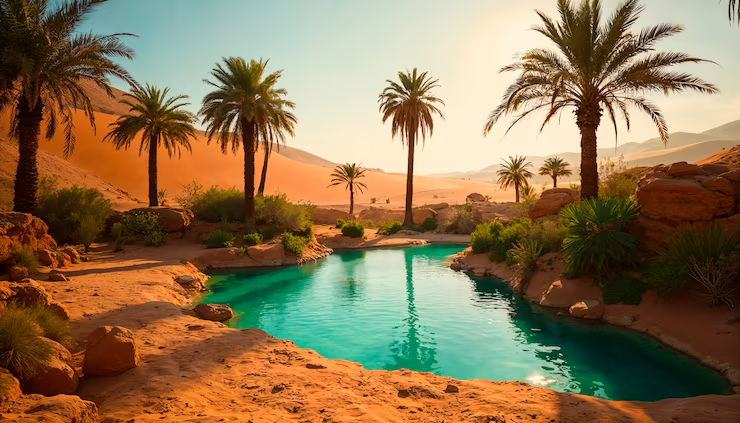
The Siwa Oasis, a stunning and historic site located in Egypt’s Western Desert, holds not only beauty and cultural significance but also great potential for completing various projects effectively. Whether you are managing agricultural work, conducting research, organizing a tour, or completing infrastructure projects in this unique and challenging environment, understanding how to operate effectively can make a significant difference.
This blog explores the secrets to optimizing task completion in Siwa Oasis, highlighting important factors such as preparation, resource management, and leveraging the area’s unique features. By the end, you will have actionable insights to maximize efficiency while respecting the oasis’s unique cultural and environmental heritage.
Understanding the Siwa Oasis Environment
Why understanding your location matters
Before embarking on any tasks in Siwa Oasis, it’s essential to understand the environment you’re working in. Siwa Oasis is located in a secluded and arid region, surrounded by sand dunes and salt lakes. Its rich cultural history, including ancient ruins and traditional communities, adds a layer of complexity to operations here.
This distinct backdrop requires preparation to ensure smooth task execution while preserving its ecological balance and heritage.
Unique challenges of the Siwa Oasis
- Climate: The oasis is part of the Sahara Desert, with extreme temperatures during the day and cooler nights. This can affect both people and equipment.
- Isolation: Limited access to resources or materials means that proper planning is required to mitigate delays.
- Cultural Sensitivity: Siwa Oasis is home to traditional communities with a deep respect for their culture and traditions, which impacts how tasks should be approached.
Planning and Preparation for Success in Siwa Oasis
Conducting thorough research
Preparation is key to efficiency, and this starts with gathering all the necessary information about Siwa Oasis. Research the climate, geography, and the logistics of accessing specific locations. Equip yourself with details about local customs, legal permissions, and transportation availability.
Example:
An archaeological team looking to explore ancient ruins in the area took weeks of preparation to obtain necessary permits and build a strong relationship with the local community. This approach saved them time during the implementation phase, as they faced fewer hurdles.
Building a contingency plan
When dealing with remote and harsh environments like Siwa Oasis, things don’t always go as planned. Create detailed contingency strategies for delays caused by weather, equipment malfunction, or unforeseen resource shortages. This will significantly reduce downtime and keep tasks on schedule.
Resource Management in Siwa Oasis
Maximizing local knowledge and resources
One secret to efficiency lies in leveraging the expertise of Siwa’s locals. The residents of Siwa Oasis have profound knowledge of the region’s terrain and resources. Collaborating with local guides or workers can help save time and prevent mistakes caused by unfamiliarity with the area.
For example, hiring local drivers familiar with sand dune terrain ensures safer and faster transport compared to relying on drivers unfamiliar with desert conditions.
Carefully managing logistics
Logistics management is critical when working in the Siwa Oasis. The isolation of the oasis means supplies from other cities may take time to arrive, and it may not be practical to make multiple trips. Planning to stockpile critical resources, such as fuel, water, and tools, can avoid significant delays.
Pro tip:
If you’re coordinating construction or repairs, bring durable tools specifically designed to work under extreme heat and sandy conditions. Equipment breakdowns can be costly and time-consuming in such remote areas.
Optimizing Tasks with the Unique Features of Siwa Oasis
Utilizing solar energy
The hot, sunny climate of Siwa Oasis offers an opportunity to harness solar energy for powering equipment or facilities. Installing portable solar panels can significantly reduce dependency on traditional power sources, which may be scarce or expensive to transport.
This is especially effective for longer-duration tasks, such as agricultural development projects or setting up remote research camps.
Building around natural resources
The Siwa Oasis is home to highly saline salt lakes and rich natural springs. Projects that align with these features, like eco-tourism facilities or salt-based construction, can be designed to make use of these naturally available resources, enhancing both efficiency and sustainability.
For example, some local entrepreneurs have created eco-friendly hotels from salt bricks, which are abundant in Siwa, blending efficiency with environmental responsibility.
Cultural Collaboration and Community Engagement
Importance of local collaboration
No matter how efficient your strategies are, success in Siwa Oasis requires cooperation with its local population. Being respectful of the community and involving them in your project not only helps with smoother execution but also ensures sustainable and culturally appropriate outcomes.
Communicating openly
Hold meetings and discussions with local leaders or community representatives early in the planning phase. Share your project’s goals transparently and make an effort to understand their concerns and suggestions.
Real-life example:
A sustainable agriculture NGO in Siwa worked with community farmers to incorporate traditional planting methods with modern irrigation technology. This hybrid approach proved more efficient and was welcomed by the locals.
Motivating Your Team in Challenging Environments
Setting realistic goals
Working in a challenging environment like Siwa Oasis can be physically and mentally demanding. Keep your team motivated by setting achievable goals, clearly communicating expectations, and celebrating milestones.
Providing comfort and support
Ensure that team members have access to adequate hydration, proper rest areas, and protective gear. This lays the foundation for a productive and resilient team.
Fostering team spirit
Encourage a sense of camaraderie among team members. Host team-building activities or casual interactions to maintain morale during long or challenging projects.
How to Leave a Positive Impact in Siwa Oasis
Efficiency isn’t just about completing tasks quickly; it’s about doing so responsibly and leaving a positive legacy. Be mindful of minimizing your environmental footprint by respecting local flora and fauna, disposing of waste correctly, and designing projects to complement the natural beauty of Siwa Oasis.
Actively consider how your presence can improve the community, whether through employment opportunities, knowledge sharing, or contributions to local infrastructure.
The Way Forward
Effectively completing tasks in Siwa Oasis requires a combination of preparation, resourcefulness, and cultural sensitivity. By understanding its unique challenges and leveraging its potential, you not only increase efficiency but also ensure that your efforts are sustainable and welcomed by the local community.
Whether you’re planning an eco-tourism project, scientific research, or agricultural development, these strategies will provide the guidance you need for success. The next step? Begin with solid research, then plan your project with both efficiency and respect top of mind.
Need expert advice for strategic planning in Siwa Oasis? Stay tuned for more blogs or reach out to our team for personalized recommendations.
🌍 Explore the Magic of Egypt with Egypt Travel 4 U! 🌍
📩 Contact us today:
📧 [email protected]
📞 +201117839212