
Nepal, the arrival of the Himalayas, is a dream goal for experienced devotees and nature partners alike. Among the numerous extraordinary trekking courses in the nation, the Everest Base Camp trek and the Gokyo Lake trek stand out as two of the most well known and breathtaking trails. Combining these two treks into one travel offers trekkers a once-in-a-lifetime opportunity to investigate the grand Everest region and involve the magnificence of Gokyo Lakes with all encompassing views of the most noteworthy peaks in the world. This comprehensive direct will give you with everything you require to know around setting out on the Everest Base Camp trek with Gokyo Lake, counting points of interest approximately each trek, best times to go, courses and highlights, tips for fledglings, social experiences, and commonsense data for your adventure.
Overview of Everest Base Camp trek with Gokyo Lake:
The Everest Base Camp trek with Gokyo Lake is an idealized combination of two of Nepal’s most notorious trekking courses. Beginning from the dynamic Namche Bazaar, this combined trek takes you through the heart of the Khumbu region, advertising shocking views of the world’s tallest top, Mount Everest. The trek passes through Sherpa towns, Buddhist cloisters, and rich timberlands, some time recently coming to the base camp, which sits at 5,364 meters.
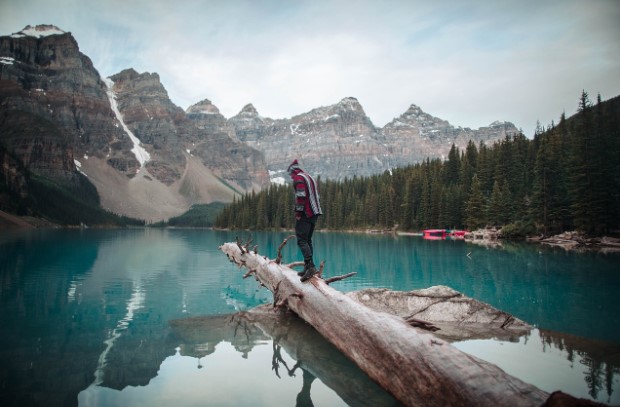
After coming to Everest Base Camp, trekkers proceed to the serene Gokyo Lakes, an arrangement of high-altitude lakes encompassed by snow-capped peaks. This segment of the trek permits you to experience the interesting magnificence of the region, with fewer swarms than Everest Base Camp, making it the perfect goal for those looking for peace and tranquility in the midst of nature’s crude beauty.
The highlight of this combined trek is the sea from Gokyo Ri, a summit that offers all encompassing vistas of Everest, Makalu, Lhotse, and Cho Oyu. This trek combines both the enterprise of coming to Everest’s base and the quiet excellence of Tokyo’s frosty lakes, making a culminating Himalayan adventure.
Overview of Everest Base Camp trek:
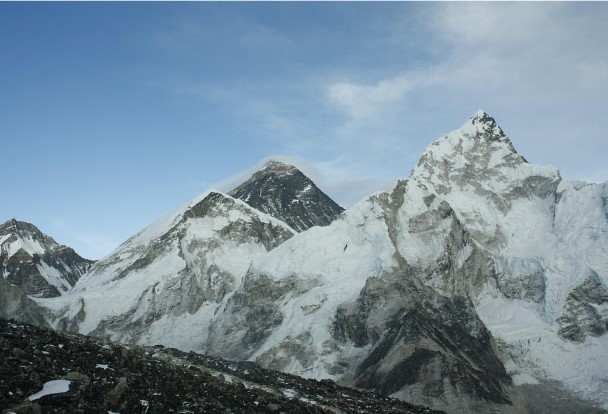
The Everest Base Camp trek is one of the most celebrated trekking courses in the world. It offers trekkers the chance to stand in the shadow of Mount Everest, the world’s most noteworthy peak, and involve the encompassing Khumbu region. This trek takes you through rich timberlands, curious Sherpa towns, Buddhist religious communities, and high-altitude scenes, all giving you breathtaking views of the Everest massif.
The trek starts with a flight to Lukla, followed by a trek to Namche Bazaar, the heart of the Khumbu region. From here, trekkers proceed through the beautiful towns of Tengboche, Dingboche, and Gorak Shep some time recently coming to the extreme destination—Everest Base Camp at an elevation of 5,364 meters. A while later, numerous trekkers make their way to Kala Patthar (5,545 meters), a perspective advertising dazzling, up-close sees of Mount Everest and the encompassing peaks.
This trek offers unparalleled views of the most noteworthy mountains in the world, counting Lhotse, Nuptse, and Makalu, and gives trekkers a special opportunity to encounter the Sherpa culture and Buddhist conventions of the region.
Gokyo Lake trek: Overview
The Gokyo Lake trek is a somewhat lesser-known elective to the Everest Base Camp trek, but it is no less marvelous. Found in the Khumbu region, Gokyo Lakes is an arrangement of high-altitude lakes settled underneath the towering peaks of the Everest massif. The trek offers breathtaking views of Mount Everest, Makalu, Cho Oyu, and Lhotse.
This trek is frequently combined with the Everest Base Camp trek to give trekkers a more comprehensive investigation of the region. After coming to Namche Bazaar, trekkers head towards Dole and Machhermo some time recently coming to the dazzling Gokyo Lakes. The most elevated point of the trek is Gokyo Ri, a peak that offers one of the best all encompassing views of the Himalayas.
The excellence of the Gokyo Lake trek lies in its quietness. Less trekkers pass through this path compared to the Everest Base Camp trek, giving a tranquil, pensive travel through elevated scenes, icy masses, and inaccessible villages.
Best Time to Trek
The best time to trek in Nepal’s Everest region is amid spring (Walk to May) and harvest time (September to November). Amid these seasons, the climate is steady, with clear skies and direct temperatures, making it perfect for trekking at tall altitudes.
Spring (Walk to May): This is one of the most well known times for trekking as the climate is moderately warm, and the seas are gem clear. Spring moreover brings rhododendron blossoms in full sprout, including dynamic colors to the landscape.
Autumn (September to November): This is the second-best time for trekking, with clear skies and amazing perceivability of the Himalayan peaks. Temperatures are cooler than in spring, but the trekking conditions are still ideal.
Winter (December to February): Whereas it is conceivable to trek amid winter, the cold temperatures and overwhelming snowfall can make the path troublesome, particularly at higher altitudes.
Monsoon (June to Admirable): The rainstorm season brings overwhelming precipitation, making the trails elusive and troublesome to explore. It is not suggested for trekking amid this period.
Routes and Highlights
Everest Base Camp Trek:
Lukla to Namche Bazaar: The trek starts with a brief flight to Lukla, taken after by a trek through thick timberlands and over suspension bridges to reach Namche Bazaar, the door to the Khumbu region.
Namche Bazaar to Tengboche: trek through timberlands and pass little Sherpa towns to reach the celebrated Tengboche Cloister, advertising staggering views of Mount Everest.
Tengboche to Dingboche: The path proceeds through elevated knolls and comes to the town of Dingboche, with views of the Ama Dablam peak.
Dingboche to Gorak Shep: The course rises through rough landscape and comes to Gorak Shep, the final halt some time recently at Everest Base Camp.
Gorak Shep to Everest Base Camp and Kala Patthar: Reach the incredible Everest Base Camp and proceed to Kala Patthar for the best views of Mount Everest.
Gokyo Lake Trek:
Lukla to Namche Bazaar: The trek begins in Lukla, taking the same course as the Everest Base Camp trek to reach Namche Bazaar.
Namche Bazaar to Dole: The path climbs consistently through woodlands to reach Dole, with staggering views of Everest and Lhotse.
Dole to Machhermo: The course proceeds through a wonderful valley to reach Machhermo, a farther Sherpa village.
Machhermo to Gokyo Lakes: The trek leads to the Gokyo Lakes, an arrangement of cold lakes with breathtaking views of the encompassing peaks.
Gokyo Ri: From Gokyo Lakes, rise to Gokyo Ri for a mind blowing all encompassing see of the Himalayas, counting Everest, Makalu, Cho Oyu, and Lhotse.
Tips for Beginners
Start Physical Preparing Early: Start preparing at the slightest 3-4 months some time during your trek. Center on cardio, quality, and stamina to construct the perseverance required for high-altitude trekking.
Slow and Unfaltering: Elevation affliction is a concern, so make beyond any doubt to rise gradually and allow yourself time to acclimatize at key points.
Hydrate and Rest: Drink bounty of water all through your trek to dodge lack of hydration and allow your body time to alter to the altitude.
Pack Light: Keep your adapted light, but make beyond any doubt to pack warm clothing, strong shoes, and basics like sunscreen, a first-aid pack, and a camera to capture the fabulous views.
Listen to Your Body: If you feel unwell or exhausted, don’t trust yourself. It’s basic to prioritize your health.
Culture and Traditions
The Everest region is home to the Sherpa individuals, an ethnic bunch known for their mountaineering mastery and profound association to the mountains. Their wealthy culture is profoundly established in Buddhism, and you’ll discover Buddhist cloisters and supplication banners all through the trek.
In Namche Bazaar, you’ll encounter Sherpa neighborliness and see dynamic markets. As you trek encourages, you will experience Tengboche Religious community, a noteworthy Buddhist location that offers breathtaking views of the Himalayas.
The Sherpa individuals are known for their solid sense of community and otherworldly dedication, and their traditions and conventions include an interesting social layer to the trekking experience.
Practical Information
Permits: You will require a Sagarmatha National park Allow, a TIMS (Trekkers’ Data Administration Framework) card, and a Khumbu Pasang Lhamu Rustic District Allow for the Everest Base Camp trek.
Accommodation: Teahouses are accessible along both trekking courses. They give essential but comfortable housing and meals.
Safety and Protections: Make beyond any doubt to have travel protections that cover high-altitude trekking and crisis evacuation.
Conclusion
Embarking on the Everest Base Camp trek with Gokyo Lake is a once-in-a-lifetime enterprise that will permit you to involve the Himalayas at their finest. From the grand sees of Mount Everest to the quiet excellence of the Gokyo Lakes, this trek offers an unimaginable combination of enterprise, characteristic excellence, and social drenching. Whether you’re standing at the base of the world’s most elevated mountain or looking out over the turquoise lakes of Gokyo, you will discover that this trek is an exceptional trek through one of the most shocking scenes on earth.
FAQs
- How long does it take to total the Everest Base Camp trek with Gokyo Lake?
The trek more often than not takes around 14-16 days depending on your pace and acclimatization schedule.
- What is the most extreme height to come on this trek?
The most noteworthy point is Gokyo Ri, which comes to a height of 5,357 meters.
- Is elevation affliction a concern?
Yes, elevation affliction can influence trekkers at rises over 3,000 meters, but it can be overseen with legitimate acclimatization and hydration.
- Do I require to be an experienced trekker to total this trek?
While earlier trekking involvement is accommodating, tenderfoots can total this trek with appropriate planning, physical preparation, and by taking after the pace set by their guide.
- What sort of convenience is accessible amid the trek?
Teahouses along the course give fundamental but comfortable convenience with choices for dinners. Higher up, the offices are more essential but still satisfactory for trekkers.
Contact Us
Himalaya Adventure Tours and Trekking Pvt. Ltd.
Mobile : +977-9841273869
Email: [email protected]
URL:-https://www.adventuregreathimalaya.com/